When I reflect on my musical journey, phases begin to emerge. First there was the local oldies radio station and CDs that my parents would play in the car. Then there was my own musical journey soon after my father introduced me to Metallica and Green Day when he found his old iPod. This journey continued on through my teenage years as a steady development of taste influenced by a desire to find music that spoke to me and lacked the reputation reflected poorly on my taste (ie. Nickelback). While the end result was never a celebrated music taste, I felt confident that the music I listened to was me. I felt confident in this steady progression of music taste.
In attending university, everything shifted rapidly. A jump into various genres took hold: rap, funk, soul. These focuses took place unpredictably and with intensity. I recall discussing with my uncle at a Christmas gathering that I was merely getting into the “basics” (2Pac, Biggie) of hip-hop, only to find myself utterly enamored with Curtis Mayfield and Bill Withers as I was hardly settled into summer vacation the next year. Needless to say, I am in one of these short intense genre explorations and I have selected an album to evoke my sentiments towards the genre.
The album I would like to introduce, ‘Clifford Brown and Max Roach quintet’ (self titled) is a jazz album (or Big Band as it was sold to me) that sounds good? There is no other way I have managed to encapsulate it. Let me explain.
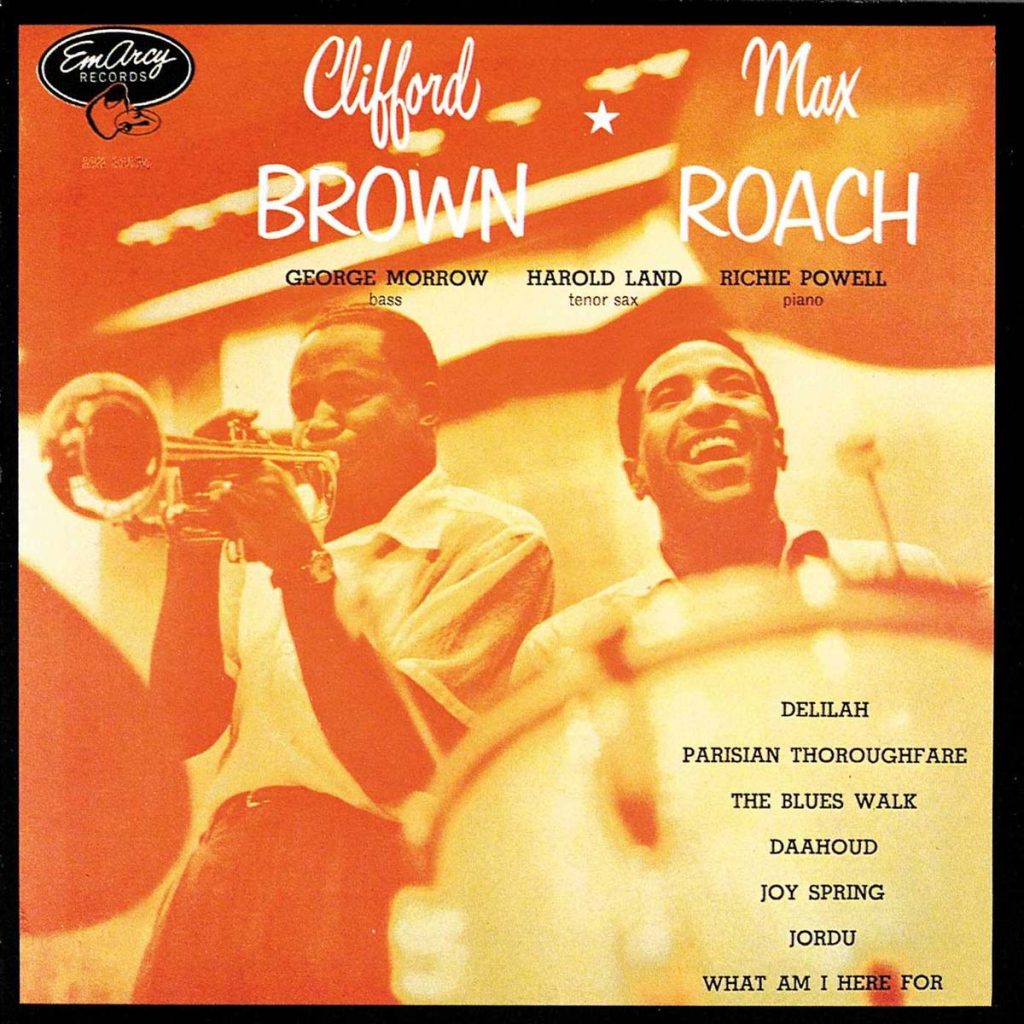
This story starts when I was gifted with the opportunity to join a maritime big band, the Elastic Big Band. The plunge into performing the genre inevitably led to listening to it. While none of the songs in this album are in our repertoire, I happened to find it in a quest to distill the genre into its most representative pieces.
While these genres were not unfamiliar to me, something was special about this album that has me searching for more. It has the charm of small jazz groups like those of John Coltrane or Miles Davis. As a saxophonist, I really love its focus, especially since Harold Land, the Tenor, is not one of the titular figures or the quintet. This album feels wholly collaborative. Take a look at the album cover. When have you ever seen orange in an album cover? I can name only a few: the microcosmic self-titled albums of Curtis Mayfield, Black Star and Tracy Chapman. Compare with the ever so blue albums of Coltrane and Davis.
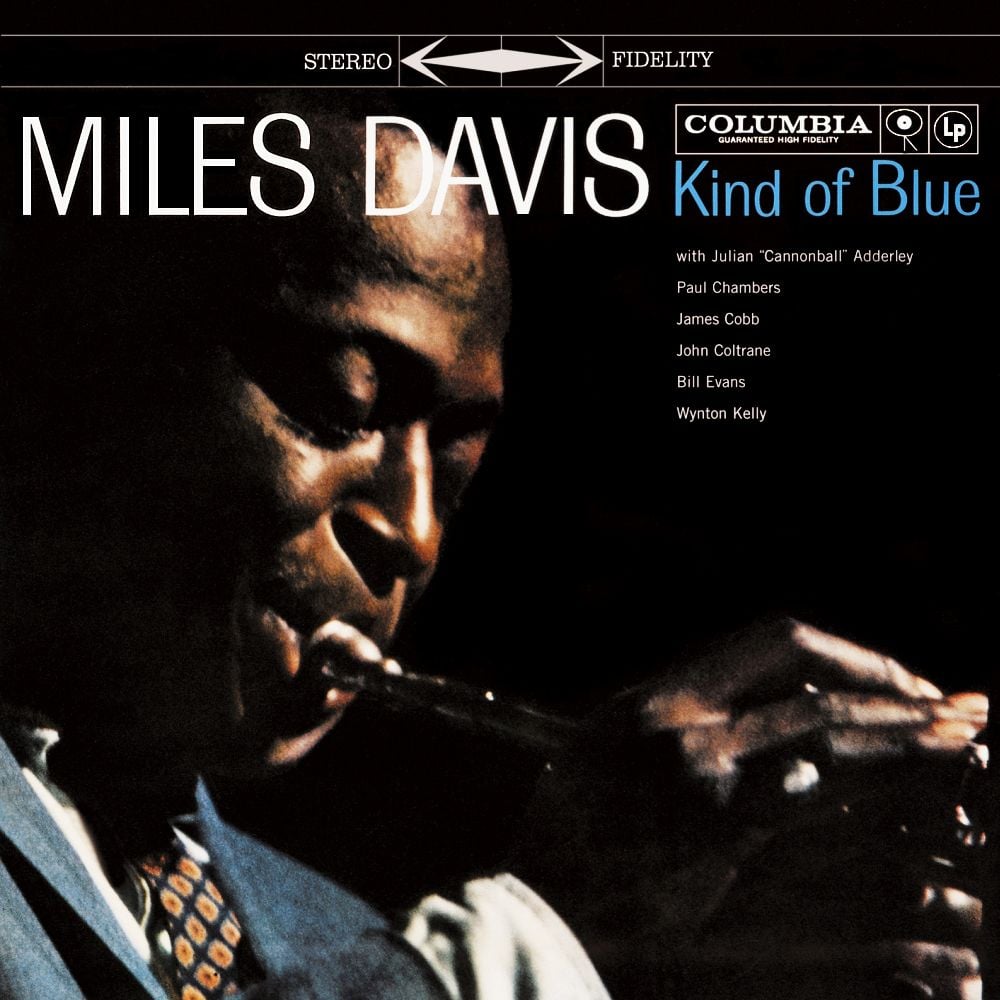
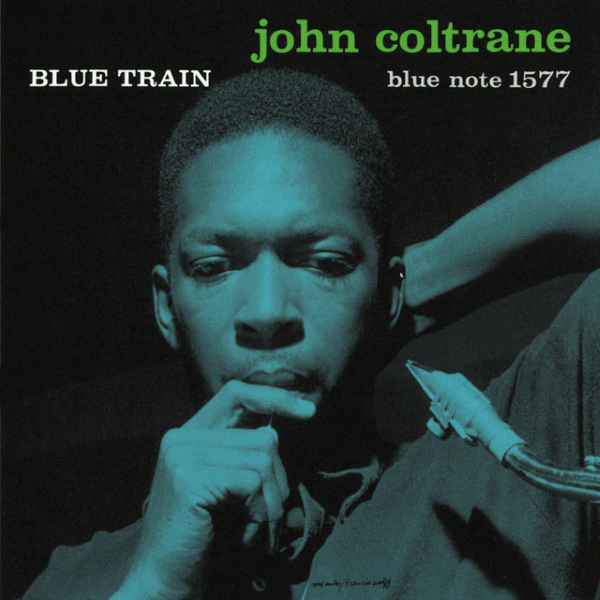
So why do I care about this album so much if all I can describe it as is ‘good’? The answer lies in the external impacts it has had on my behavior. This album is approachable, from a musicianship perspective anyway. The ‘Wall of Sound’ of Coltrane or the Miles Davis ‘Prince of Darkness’ of it all is.. missing. While I LOVE these albums (stay tuned for a confessional on Davis’ Kind of Blue), it makes improvisational jazz scary. The phrasing in Delilah is simple and effective: preamble then statement. The statement, which is a musical term I am making up or co-opting, means to me 2-3 notes to evoke a feeling. The preamble just leads up to it with an intent of having some fun. When I sit down to learn improvisational music, the first song I will turn to is Delilah. The rest of the album increases in complexity at a comfortable rate. It is an album, a journey, a lecture and a helping hand.
So what behavior has changed? As discussed, this album has been appreciated as a lesson. I find myself listening with the intent of a scholar, and the understanding of one that I usually lack with more complex pieces. I find myself searching for more of its kind, a sign that I have found something important. I have found my views on music impacted by this album in a fashion not previously observed.
In conclusion, listen to the album! I kid. The point of every one of these album reviews is persuasive and reflective. Meaning I do want you to give the album a try, but I also needed to get my thoughts out into the world.