M04 Funky Kingston

I had a hard time with reggae as a genre for a while, I am not sure what I thought it was. In my mind, reggae consisted of mostly Bob Marley clones. I stumbled onto this album one day and I am in love. It is my album of choice when I am alone in the lab and want to have a good time while doing my cell culture.
First, a little history/clarification: the album “Funky Kingston” actually refers to two regionally different and distinct albums by the group; I am referring to the Jamaican/UK release from 1973. The other version is almost completely different, keeping only 3 songs and replacing the rest with songs from other albums.

I discovered this album with the intention of confronting my preconception of reggae. I viewed reggae as an institution held up strictly by Bob Marley. Funky Kingston goes against my biases in a big way, it was a thrilling first experience.

Favourite Track: Funky Kingston by The Maytals (which includes Toots)

Each song is sonically distinct yet thematically consistent. They are tied together by the a tight rhythm section, strong horns (which are not actually performed by any member of the band1) and the powerful Frederick (Toots) Herbert. Toots is one of those vocalists that takes the basics of singing to a higher level. Some other artists that have strong command over the microphone are Aretha Franklin, Otis Redding, and Nina Simone. The tracks are incredibly intricate without being overwhelming. Each layer is given just enough volume to capture your attention at your own pace. The end result is a perfectly crafted album that uses their technical prowess as a tool, not a feature.

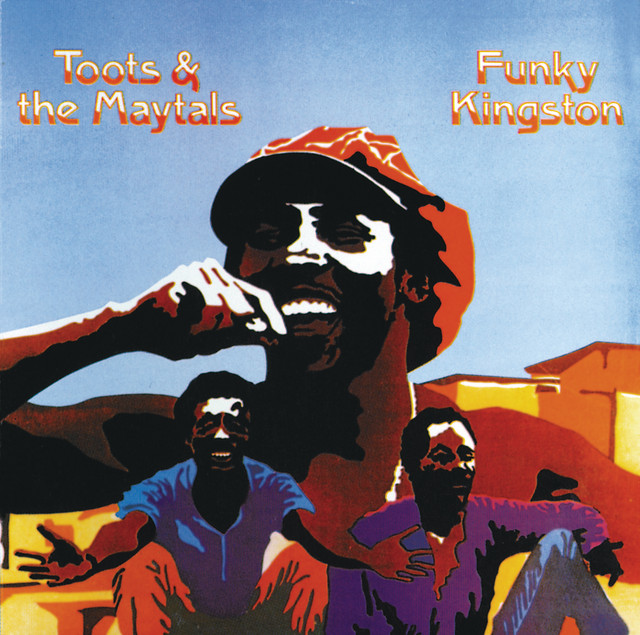
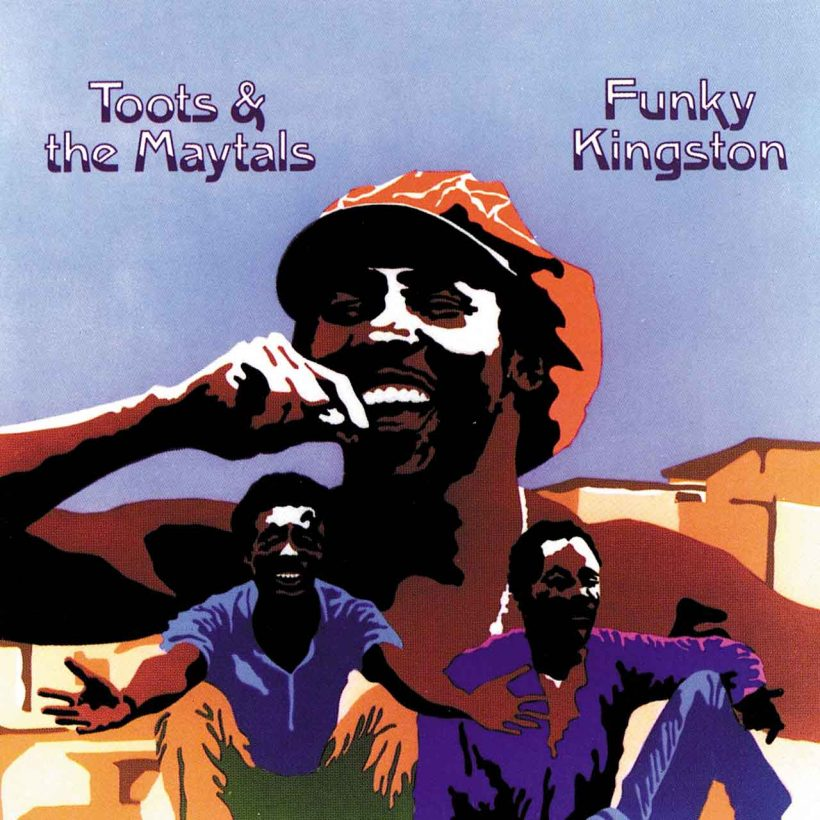
I really love the artwork on this album – it has charm. While the range of colours is narrow, I think it lends itself to emphasis on the emotions the people are presenting us. The album-in order of my visual attention-looks happy, inviting and relaxed. While the music itself might have an upbeat tempo, I still calm listening to it.

I haven’t listened to much more reggae since discovering Funky Kingston. There is so much to appreciate about this album that I am yet to get tired of it. I highly recommend this album to expand your view of reggae, and music on a whole.

1 The horns were actually performed by a Ghanian band, which makes this album a bit of an international collaboration – as well as an international hit.
M03 Clifford Brown/Max Roach Quintet (Album)

When I reflect on my musical journey, phases begin to emerge. First there was the local oldies radio station and CDs that my parents would play in the car. Then there was my own musical journey soon after my father introduced me to Metallica and Green Day when he found his old iPod. This journey continued on through my teenage years as a steady development of taste influenced by a desire to find music that spoke to me and lacked the reputation reflected poorly on my taste (ie. Nickelback). While the end result was never a celebrated music taste, I felt confident that the music I listened to was me. I felt confident in this steady progression of music taste.

In attending university, everything shifted rapidly. A jump into various genres took hold: rap, funk, soul. These focuses took place unpredictably and with intensity. I recall discussing with my uncle at a Christmas gathering that I was merely getting into the “basics” (2Pac, Biggie) of hip-hop, only to find myself utterly enamored with Curtis Mayfield and Bill Withers as I was hardly settled into summer vacation the next year. Needless to say, I am in one of these short intense genre explorations and I have selected an album to evoke my sentiments towards the genre.

The album I would like to introduce, ‘Clifford Brown and Max Roach quintet’ (self titled) is a jazz album (or Big Band as it was sold to me) that sounds good? There is no other way I have managed to encapsulate it. Let me explain.

This story starts when I was gifted with the opportunity to join a maritime big band, the Elastic Big Band. The plunge into performing the genre inevitably led to listening to it. While none of the songs in this album are in our repertoire, I happened to find it in a quest to distill the genre into its most representative pieces.

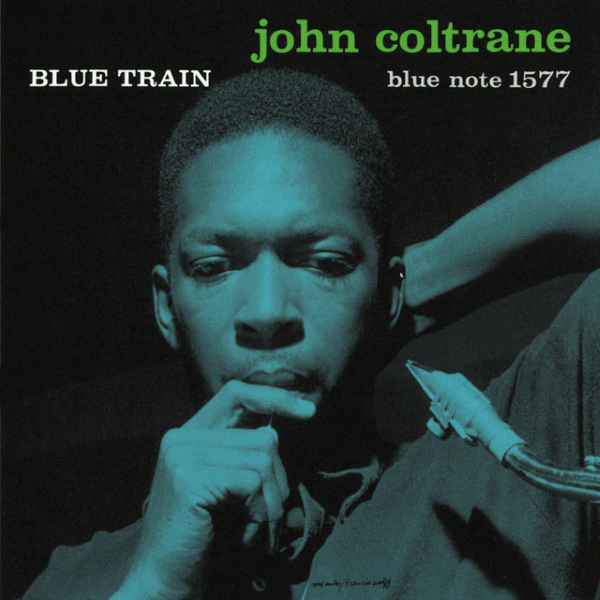
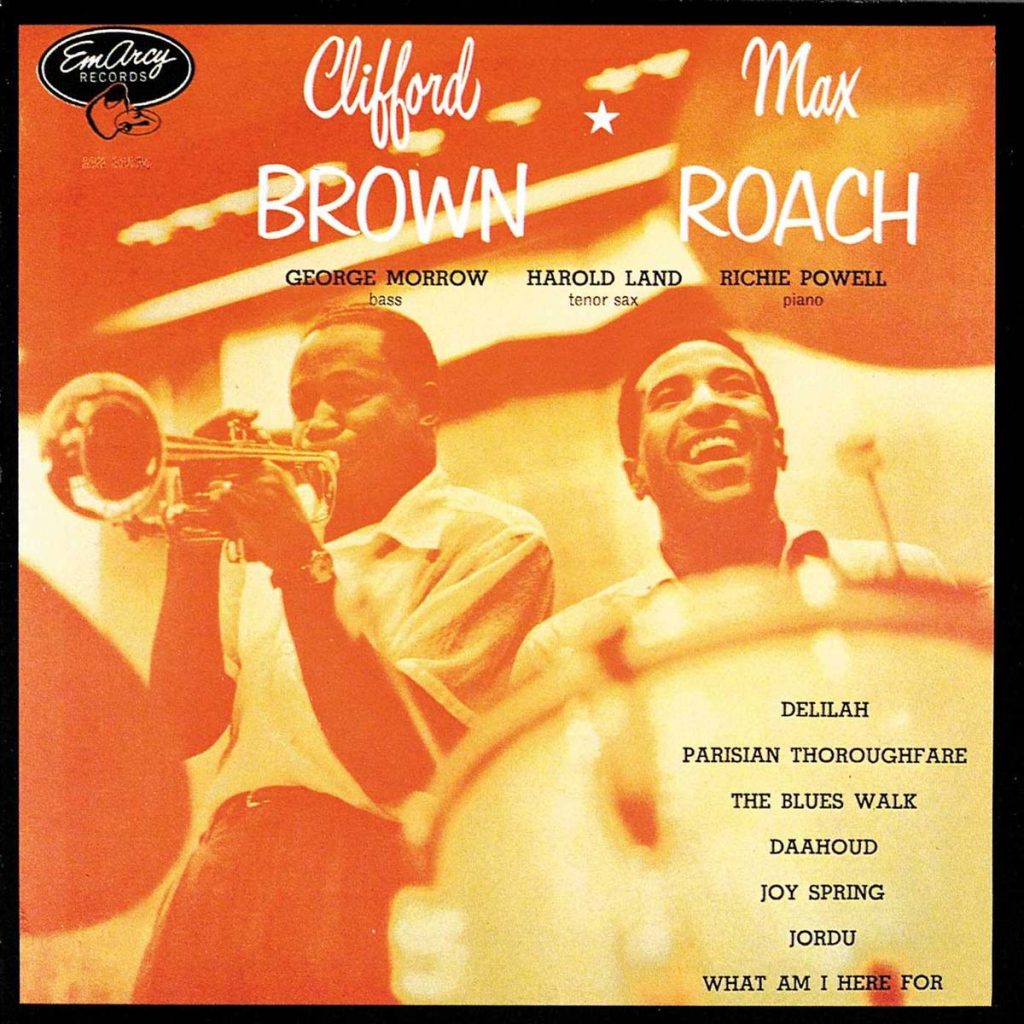
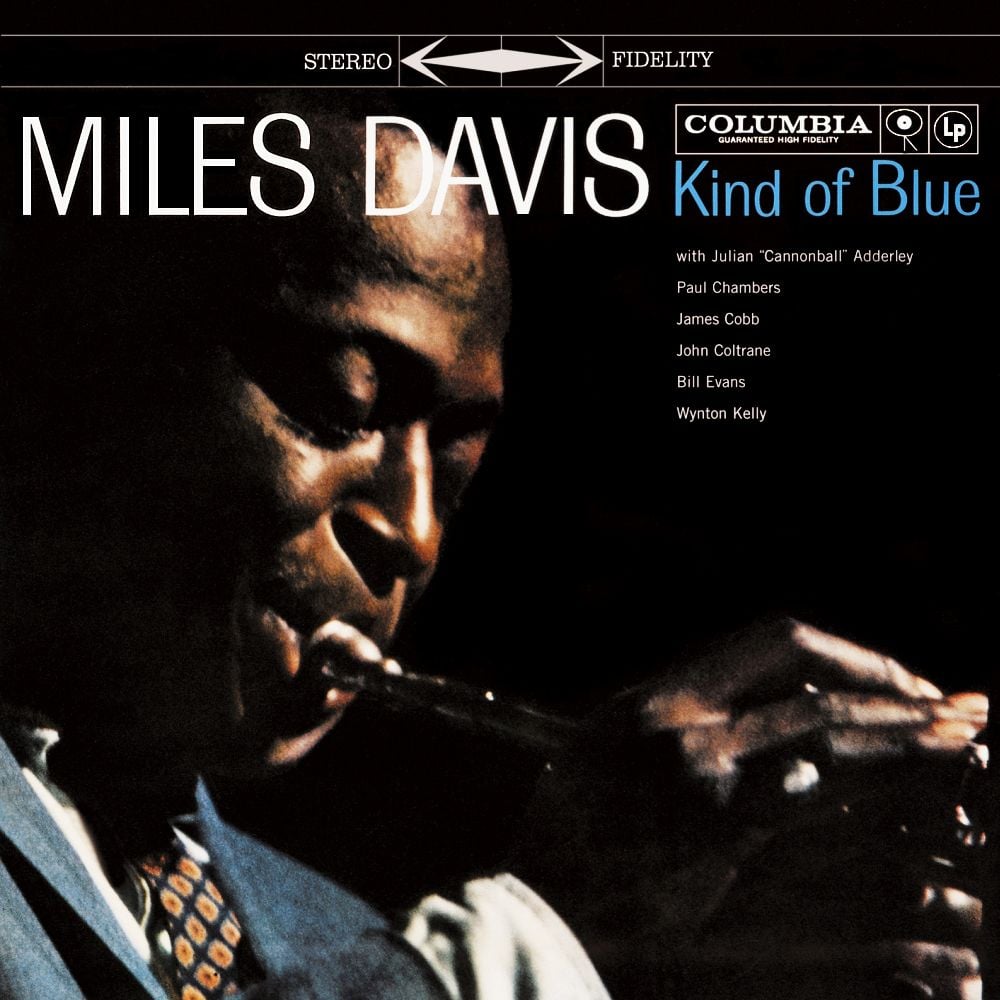
While these genres were not unfamiliar to me, something was special about this album that has me searching for more. It has the charm of small jazz groups like those of John Coltrane or Miles Davis. As a saxophonist, I really love its focus, especially since Harold Land, the Tenor, is not one of the titular figures or the quintet. This album feels wholly collaborative. Take a look at the album cover. When have you ever seen orange in an album cover? I can name only a few: the microcosmic self-titled albums of Curtis Mayfield, Black Star and Tracy Chapman. Compare with the ever so blue albums of Coltrane and Davis.

So why do I care about this album so much if all I can describe it as is ‘good’? The answer lies in the external impacts it has had on my behavior. This album is approachable, from a musicianship perspective anyway. The ‘Wall of Sound’ of Coltrane or the Miles Davis ‘Prince of Darkness’ of it all is.. missing. While I LOVE these albums (stay tuned for a confessional on Davis’ Kind of Blue), it makes improvisational jazz scary. The phrasing in Delilah is simple and effective: preamble then statement. The statement, which is a musical term I am making up or co-opting, means to me 2-3 notes to evoke a feeling. The preamble just leads up to it with an intent of having some fun. When I sit down to learn improvisational music, the first song I will turn to is Delilah. The rest of the album increases in complexity at a comfortable rate. It is an album, a journey, a lecture and a helping hand.

So what behavior has changed? As discussed, this album has been appreciated as a lesson. I find myself listening with the intent of a scholar, and the understanding of one that I usually lack with more complex pieces. I find myself searching for more of its kind, a sign that I have found something important. I have found my views on music impacted by this album in a fashion not previously observed.

In conclusion, listen to the album! I kid. The point of every one of these album reviews is persuasive and reflective. Meaning I do want you to give the album a try, but I also needed to get my thoughts out into the world.

M02 Blood On The Tracks (Album)

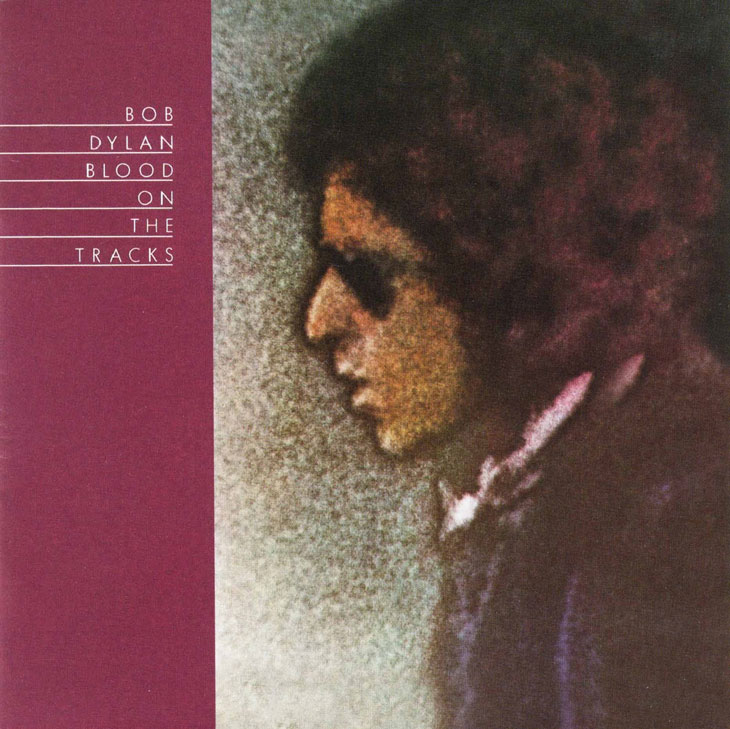
This album is certainly one of my more strange appreciations. Written by Bob Dylan in 1975, this album defies every preconceived notion I had going into it.

The first notion I had of this album was that it would be “angsty” or “sharp”. I knew very little of Dylan, besides a Guns N’ Roses and Jimi Hendrix cover. These covers are brilliant, but they certainly painted Dylan in a light that this album could not match. This, as it happens, was not an issue for me.

With the exception of ‘Idiot Wind’, this album is very raw to me, very calm. But I am getting ahead of myself. Because, as it happens, I had to learn to like this album.

Yes, much like vegetables, cardio and reading, this album was a bit of an acquired taste. The first stage was pushy, I knew this album was good so I forced myself to hear it. The rough singing was really the sticking point for me, as it is most people. As I listened to it more, I began to build associations with the music. Not the artistic kind, as I had hardly unpacked any of the lyrics, but connections to places and times I have been. I remember vividly listening to ‘Simple Twist of Fate’ in the sun lit hallway of the community center where I was receiving my training for a new job. Soon enough, I found myself seeing past the singing. Where Bob could not quite reach the note he was looking for, I would fill in the blanks in my mind. All of the sudden this album sounded just as normal as any other.

So how then can I be certain this album is any good? Are we all hostages to nostalgia and bandwagon? Yes- but! I discovered that, along with the single song covers from Iron & Wine, Jimi, GNR and many more… An independent artist had recorded a full album cover! Notably, she can sing.

Mary Lee’s Corvette, as far as I can tell, is the only full album cover of Bob Dylan. We must make this a habit!

My only gripe with this album is that, as it is a live performance, she let an audience member sing one of the verses. I cannot blame either party for what transpired, as it was comedic and lighthearted, but the audience member sang with their best Bob Dylan impression. So, I had to cut that verse out of ‘Lily, Rosemary and the Jack of Hearts’.

All in all, while this album mostly leans itself against the memories and experiences that I shared with it, its hard not to appreciate it all the same.

M01 En Bref (Album)

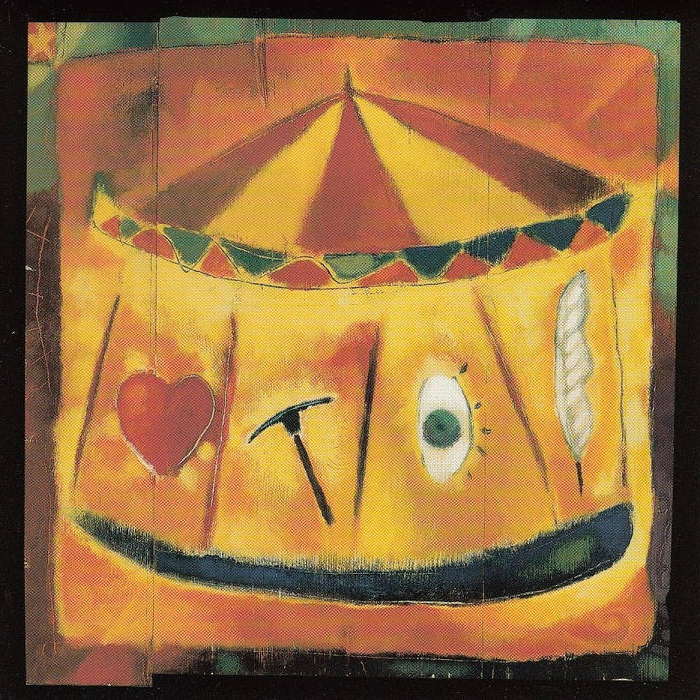
I do not think I could begin to catalog all of my favourite music without first tackling all the lesser known artists I have grown to love. This band with their self-titled debut album has forever set itself in my heart.

Hailing from Northern Ontario, En Bref is a francophone band, the first I remember hearing. They made one album in the 90s, and as far as I can tell, fell apart around the same time. This album is so much more to me.

I remember hearing this album for the first time in my fathers car whilst waiting to pick my sister up from a SkyZone birthday party. The song “Ici Dans L’Nord” had such a piratey theme that I gripped onto. Years later, with the song ringing in my ears without a name, I discovered them once more when the old CD played in the car.

Since then, this band has rested close to my heart. It is so funky and spans multiple genres. They have since reformed and still play today, I hope to see them live one day.